

tinted glass colors
The Foundation of Precision: Understanding Leveling Mounts in Industrial Applications In the intricate landscape of modern industrial operations, the stability and precise alignment of machinery are paramount. Equipment ranging from heavy-duty manufacturing lines to sensitive laboratory instruments relies on a steadfast foundation to operate efficiently, accurately, and safely. This critical requirement is met by leveling mounts , indispensable components designed to provide stable, adjustable support, absorb vibrations, and compensate for uneven surfaces. As a cornerstone of operational integrity, understanding their manufacturing, technical specifications, and diverse applications is essential for B2B decision-makers and engineers aiming to optimize their systems and extend equipment lifespan. These robust components are engineered to bear significant loads while offering meticulous height adjustment and, in many cases, superior vibration isolation. Their strategic deployment ensures that machinery functions within its optimal parameters, mitigating wear and tear, enhancing precision, and ultimately contributing to higher productivity and reduced maintenance costs. This comprehensive overview delves into the core aspects of leveling mounts , from their meticulous manufacturing process to their critical role across various industrial sectors. Manufacturing Process of Precision Leveling Mounts The production of high-quality leveling mounts is a multi-stage process demanding meticulous attention to material selection, advanced manufacturing techniques, and stringent quality control. Each step is critical to ensuring the final product meets the demanding performance requirements of industrial applications, guaranteeing stability, durability, and precise adjustability. 1. Material Selection and Preparation The journey begins with the careful selection of raw materials tailored to specific environmental and load requirements. Common materials include: Stainless Steel (e.g., AISI 304, 316): Chosen for superior corrosion resistance in harsh, acidic, or hygienic environments (e.g., food & beverage, pharmaceutical, marine). Carbon Steel (e.g., C45, 1045): Provides high tensile strength and load capacity, often zinc-plated or powder-coated for corrosion protection. Ideal for general industrial applications. Cast Iron: Offers excellent damping properties and rigidity for heavy-duty applications. High-Performance Polymers (e.g., Polyamide, Acetal): Used for bases, feet, or anti-vibration pads, offering chemical resistance, electrical insulation, and non-marring properties. Vulcanized Rubber/Elastomers: Critical for anti-vibration pads, offering varied shore hardness for optimal vibration damping (e.g., NBR, SBR, EPDM). Raw material, typically in bar stock or plate form, undergoes initial cutting and shaping to prepare for subsequent processes. 2. Core Manufacturing Processes Casting/Forging: For robust bases or components requiring exceptional strength, casting (e.g., for intricate shapes in cast iron) or forging (e.g., for high-strength steel studs) may be employed to create the initial form and enhance material grain structure. CNC Machining: This is a cornerstone process for precision. Computer Numerical Control (CNC) lathes and milling machines are used to precisely machine threads on studs, create intricate base geometries, and ensure tight tolerances for all mating components. This guarantees smooth height adjustment and secure locking mechanisms. Injection Molding/Extrusion: For polymer components like base pads, covers, or specialized feet, injection molding provides consistent, high-volume production with precise shapes and material properties. Welding: In certain heavy-duty or specialized leveling mounts , welding may be used to join components, ensuring robust structural integrity. 3. Surface Treatment and Finishing To enhance durability and corrosion resistance, components undergo various surface treatments: Zinc Plating: A common and cost-effective method for carbon steel components, providing a sacrificial layer against rust. Passivation: For stainless steel, this process removes free iron from the surface, enhancing its inherent corrosion resistance. Powder Coating: Offers a durable, aesthetically pleasing finish with excellent resistance to chipping, scratching, and corrosion. Black Oxide: Provides a thin, protective layer for steel, minimizing reflection and offering mild corrosion resistance. 4. Assembly and Quality Control Once individual components are manufactured and treated, they are assembled. This typically involves threading studs into bases, attaching anti-vibration pads, and securing any locking nuts or additional features. Each assembled leveling mount then undergoes rigorous quality control and testing: Dimensional Verification: Using calipers, micrometers, and gauges to ensure all critical dimensions meet design specifications. Load Testing: Verifying the static and dynamic load capacities under simulated operational conditions to prevent failure. Corrosion Resistance Testing: Salt spray tests (e.g., ASTM B117) for plated or coated components to confirm performance in corrosive environments. Vibration Damping Efficiency: For anti-vibration models, tests measure the reduction in transmitted vibrations. Adherence to Standards: Products are tested to comply with international standards such as ISO (e.g., ISO 9001 for quality management), DIN (German Institute for Standardization), and ANSI (American National Standards Institute), ensuring global applicability and reliability. Service Life and Target Industries The service life of leveling mounts is heavily influenced by material choice, manufacturing quality, operating environment, and load conditions. High-quality mounts, properly selected and maintained, can offer decades of reliable service. They are critical in a wide array of target industries: Petrochemical: For pumps, compressors, and processing units in corrosive, high-temperature environments. Metallurgy: Supporting heavy rolling mills, furnaces, and casting equipment, where high loads and temperatures are common. Water Supply & Drainage: Stabilizing large pumps, filtration systems, and control panels in often damp or corrosive settings. Food & Beverage: Requiring hygienic stainless steel mounts for processing, packaging, and conveying equipment to meet FDA and HACCP standards. Pharmaceutical & Medical: For precision laboratory equipment, cleanroom machinery, and sterile processing units. Machine Tool & Automation: Ensuring the precision of CNC machines, robotics, and assembly lines. In these scenarios, advantages such as energy saving (through optimized machine alignment reducing power consumption and friction), superior corrosion resistance, and reduced maintenance costs are directly attributable to the performance of well-engineered leveling mounts . Image 1: Precision machined components for leveling mounts. Industry Trends and Innovations in Leveling Mounts The industrial landscape is continuously evolving, driving innovations across all components, including leveling mounts . Key trends reflect the growing demand for smart manufacturing, sustainability, and enhanced performance in increasingly complex operational environments. Smart Integration and IoT: The advent of Industry 4.0 is leading to the development of "smart" leveling mounts . These may integrate sensors for real-time monitoring of vibration levels, load distribution, and even environmental factors like temperature. This data feeds into predictive maintenance systems, allowing for proactive adjustments and preventing costly downtime. Advanced Materials: Research into new composites and high-performance polymers is yielding mounts with superior strength-to-weight ratios, enhanced chemical resistance, and broader operating temperature ranges. This allows for lighter yet stronger solutions, critical in aerospace, robotics, and cleanroom applications. Stainless steel continues to dominate for hygienic and corrosive environments, with continuous improvements in alloys for even greater resilience. Enhanced Vibration Damping: As machinery operates at higher speeds and with greater precision, the need for advanced vibration isolation intensifies. Innovations include multi-layer elastomer pads, pneumatic leveling mounts , and active vibration control systems that can dynamically adjust to changing frequencies and amplitudes. These developments ensure machinery stability, prolong component life, and improve product quality. Modularity and Customization: While standard leveling mounts serve many purposes, there's a growing demand for modular designs that allow for quick adaptation to specific machine geometries, load profiles, and environmental conditions. This includes options for different level types , base designs, and threaded stud configurations. Sustainability: Manufacturers are increasingly focusing on sustainable practices, including the use of recyclable materials, energy-efficient manufacturing processes, and designs that extend product life, thereby reducing waste. Ease of Installation and Adjustment: Designs are becoming more user-friendly, incorporating features like tool-free adjustment mechanisms or integrated level ruler markings for quick and accurate setup, reducing labor time and costs. These trends underscore the evolving role of leveling mounts from simple mechanical supports to sophisticated components integral to the performance and longevity of advanced industrial systems. The continuous drive for precision, efficiency, and adaptability ensures that the level of sophistication in these components will only increase. Technical Specifications and Parameters of Leveling Mounts Selecting the correct leveling mount requires a thorough understanding of its technical specifications. These parameters dictate the mount's suitability for a given application, ensuring optimal performance, safety, and longevity. Below is a detailed overview of critical specifications, often supported by web-researched parameters for common industrial applications. Key Technical Parameters: Load Capacity: The maximum weight a single mount can safely support. This is typically specified as static load (stationary) and sometimes dynamic load (under vibration or movement). Values can range from a few kilograms for light equipment to several tons for heavy machinery. Material Composition: Specifies the materials used for the base, stud, and anti-vibration pad. This directly impacts corrosion resistance, strength, and chemical compatibility. Thread Size and Type: Standard metric (M8, M10, M12, M16, M20, M24, M30, etc.) or imperial (UNC, UNF) threads on the stud for attachment to the machine frame. Base Diameter: The diameter of the foot or base, affecting stability and load distribution area. Larger diameters often indicate higher load capacities. Height Adjustment Range: The total vertical distance over which the mount can be adjusted, crucial for precise leveling and accommodating uneven surfaces. Vibration Isolation Efficiency: For anti-vibration mounts, this indicates the percentage reduction in vibration transmitted from the machine to the floor (or vice-versa). Operating Temperature Range: The ambient temperature limits within which the mount can function effectively without material degradation. Corrosion Resistance Rating: Often indicated by material (e.g., SS304, SS316) or surface treatment (e.g., zinc-plated, powder-coated) suitability for specific environments (e.g., indoors, outdoors, chemical exposure). Typical Product Specification Table: Heavy-Duty Leveling Mounts Parameter Specification (Example) Notes Load Capacity (Static) Up to 20,000 kg (per mount) Varies by model and material. Base Material Forged Steel (C45), Cast Iron, SS316 Selection depends on environment and load. Stud Material High-Tensile Steel (Class 8.8), SS316 Threaded for fine adjustment. Anti-Vibration Pad Material NBR Rubber (60-70 Shore A), PTFE Reduces vibration transmission; chemical resistance. Thread Sizes M16, M20, M24, M30, M36 Common industrial standards. Base Diameter 80mm - 200mm Larger for higher load distribution. Height Adjustment Range 50mm - 150mm Total usable travel. Operating Temperature -30°C to +120°C Dependent on elastomer and metal components. Surface Finish Zinc Plated, Powder Coated, Polished (SS) For corrosion resistance and aesthetics. Image 2: An array of leveling mounts showcasing diverse designs and materials. Diverse Application Scenarios of Leveling Mounts The versatility of leveling mounts makes them indispensable across virtually every industrial sector. Their primary function – to provide stable, level support – translates into tangible benefits, from enhanced precision to extended equipment life, in a wide array of machinery and operational environments. Key Application Areas: CNC Machining & Automation: Precision is paramount in CNC lathes, milling machines, and machining centers. Leveling mounts ensure the machine bed is perfectly level, preventing distortions, improving cut quality, and extending the life of spindles and bearings by minimizing stress. Conveyor Systems & Material Handling: For long conveyor lines, sorters, and robotic palletizers, accurate leveling prevents jams, reduces wear on belts and rollers, and ensures smooth, consistent material flow. The right level types of mounts can also dampen vibrations from motors and moving parts. Printing Presses & Packaging Machinery: In high-speed printing and packaging operations, even minute misalignments can lead to print registration errors or packaging defects. Leveling mounts provide the critical stability needed for consistent product quality and high throughput. Food & Beverage Processing: Stainless steel leveling mounts are essential for mixers, fillers, ovens, and sanitation equipment. Their corrosion resistance and hygienic design prevent contamination and withstand frequent washdowns, meeting stringent industry regulations (e.g., NSF, FDA). Laboratory & Medical Devices: Sensitive scientific instruments, microscopes, analytical balances, and diagnostic equipment require absolute stability to produce accurate results. Anti-vibration leveling mounts isolate these devices from external disturbances, ensuring experimental integrity. Power Generation & Heavy Industry: Turbines, generators, compressors, and large pumps in power plants or metallurgical facilities require heavy-duty leveling mounts . These mounts accommodate immense loads, manage significant vibrations, and offer fine adjustment for critical alignment, enhancing efficiency and preventing catastrophic failures. Construction & Mining Equipment: While often on mobile platforms, stationary equipment like crushers, screeners, and concrete mixers benefit from temporary or permanent leveling mounts to ensure operational stability and safety on uneven ground. Automotive Manufacturing: From welding robots to assembly lines and testing rigs, precise leveling mounts ensure component alignment, robot calibration, and consistent production quality. Benefits in Practice: In each of these scenarios, the underlying benefit is the reduction of operational risk and enhancement of performance. Properly leveled machinery experiences: Reduced Wear and Tear: Minimized stress on bearings, shafts, and other moving parts. Improved Product Quality: Consistent output, fewer defects due to precise alignment. Minimized Downtime: Less frequent breakdowns and maintenance, leading to higher productivity. Enhanced Safety: Stable machines are less prone to movement or tipping, protecting personnel and equipment. Optimized Energy Consumption: Aligned components operate with less friction, potentially leading to energy savings. Image 3: Leveling mounts providing stable support for industrial machinery. Technical Advantages of High-Performance Leveling Mounts The selection of high-performance leveling mounts goes beyond mere support; it's a strategic investment that yields significant technical and operational advantages for industrial setups. These benefits are critical for maintaining competitive edge and ensuring long-term operational excellence. Precision Leveling and Alignment: Modern leveling mounts offer micro-adjustment capabilities, allowing engineers to achieve exact horizontal alignment even on significantly uneven floors. This precision minimizes static and dynamic stresses on machine frames, bearings, and rotating components, preventing premature wear and extending machine lifespan. Without precise alignment, machinery can experience accelerated fatigue and increased energy consumption. Superior Vibration Damping and Isolation: A primary advantage, especially for anti-vibration leveling mounts , is their ability to absorb and dissipate vibrations. This protects sensitive equipment from external disturbances (e.g., nearby heavy machinery) and isolates the floor/building from machine-generated vibrations. The outcome is reduced noise, improved working conditions, enhanced operational safety, and a significant improvement in the quality of work produced by precision machinery. This is achieved through engineered elastomers with specific shore hardness and damping coefficients. Enhanced Corrosion and Chemical Resistance: For environments ranging from outdoor installations to chemical processing plants, specialized leveling mounts made from stainless steel (e.g., SS304, SS316) or with robust coatings (e.g., specific powder coatings, galvanization) offer exceptional resistance to rust, acids, alkalis, and other corrosive agents. This ensures long-term integrity and reduces the need for frequent replacement, a critical factor in maintaining operational continuity. Optimized Load Distribution and Floor Protection: The broad base designs of many leveling mounts help distribute the machine's weight over a larger floor area. This reduces localized pressure points, preventing damage to sensitive flooring, minimizing floor-borne vibrations, and ensuring the overall structural integrity of the facility. Ease of Installation and Readjustment: Designed for practicality, these mounts often feature simple, yet secure, adjustment mechanisms (e.g., threaded studs with locking nuts). This facilitates quicker initial setup and allows for easy readjustment if floor conditions change or if the machine needs to be relocated or re-calibrated. This efficiency translates to reduced labor costs and minimal downtime. Adaptability to Diverse Environments: From cleanrooms requiring hygienic, non-shedding materials to high-temperature furnace environments needing specialized alloys, modern leveling mounts can be tailored to an extensive range of operational conditions, ensuring reliable performance regardless of the challenge. Investing in high-quality leveling mounts is therefore not just about stability; it's about safeguarding machinery, enhancing precision, ensuring compliance with safety standards, and ultimately bolstering the profitability and longevity of industrial assets. These technical advantages collectively contribute to a more resilient, efficient, and productive operational ecosystem. Vendor Comparison and Selection Criteria for Leveling Mounts Choosing the right vendor for leveling mounts is as crucial as selecting the mounts themselves. The market offers a wide array of suppliers, each with distinct strengths. A thorough comparison based on key criteria ensures that B2B buyers secure solutions that not only meet immediate technical needs but also provide long-term reliability and support. This process demands a discerning approach, moving beyond just price to evaluate total value. Critical Selection Criteria: Product Quality & Durability: Assess the materials used, manufacturing processes, and adherence to industry standards (e.g., ISO, DIN). High-quality mounts minimize maintenance and replacement costs. Load Capacity & Performance: Verify if the vendor's products meet or exceed the required static and dynamic load capacities, along with any specific vibration damping characteristics. Material & Environmental Suitability: Ensure the vendor offers options suitable for the specific operating environment (e.g., corrosion resistance, temperature range, chemical compatibility, hygienic design). Customization Capabilities: For unique applications, the ability to tailor dimensions, materials, or features is a significant advantage. Certifications & Compliance: Look for certifications like ISO 9001 (quality management), NSF (food contact safety), or specific industry standards that validate product integrity and vendor processes. Technical Support & Expertise: A vendor that provides expert guidance on selection, installation, and troubleshooting adds substantial value. This includes understanding different level types and their applications. Lead Time & Fulfillment: Evaluate the vendor's ability to meet delivery schedules, especially for urgent or large-volume orders. Warranty & After-Sales Service: A robust warranty and reliable after-sales support are indicators of product confidence and customer commitment. Pricing & Value Proposition: While not the sole factor, competitive pricing coupled with the aforementioned qualities defines true value. Consider the lifecycle cost, not just the initial purchase price. Vendor Comparison Table (Illustrative) Feature/Criterion Vendor A (Global Leader) Vendor B (Specialized) STR Machinery Product Range & Capacity Very broad, high capacity Niche, high-precision, specific materials Comprehensive, heavy-duty to hygienic Customization Options Limited standard customization Extensive, but costly Flexible and cost-effective customization Quality Certifications ISO 9001, specific product certifications ISO 9001, industry-specific (e.g., FDA-compliant) ISO 9001:2015, tested to DIN/ANSI Technical Support Global network, somewhat generalized Highly specialized, direct engineer access Dedicated, responsive engineering support Lead Time (Standard Products) 2-4 weeks 3-6 weeks 1-3 weeks (efficient production) Pricing Strategy Premium, high-end Premium for specialized solutions Competitive, value-driven for quality Warranty Standard 1-year limited 1-3 year specific warranties Robust 2-year warranty on materials/workmanship When evaluating vendors, consider your specific needs. For general applications, a vendor with a broad, readily available inventory might suffice. For specialized or critical processes, a vendor offering robust customization and expert technical support, such as STR Machinery, becomes invaluable. The ultimate goal is to find a partner who understands your challenges and delivers reliable, long-term solutions, particularly when considering level wholesale purchases for large-scale operations or multiple projects. Image 4: Customizable leveling mounts ready for specialized applications. Customized Solutions for Unique Industrial Needs While standard leveling mounts serve a wide range of applications, many industrial scenarios present unique challenges that demand tailored solutions. Customization is a cornerstone of advanced engineering, ensuring that the mounts perfectly integrate with specific machinery, environments, and performance requirements, thereby maximizing efficiency and operational longevity. Areas of Customization: Material Selection: Beyond standard carbon and stainless steel, customization can involve exotic alloys for extreme temperatures or corrosive chemicals (e.g., Duplex stainless steel, Hastelloy) or specialized polymers (e.g., PEEK, PTFE) for specific chemical or electrical insulation properties. This is crucial for applications in aerospace, semiconductor manufacturing, or certain chemical processing industries. Dimensions and Load Capacities: Custom mounts can be engineered to accommodate non-standard machine footprints, exceptionally heavy loads (e.g., large industrial presses, heavy vibratory screens), or very compact spaces. This includes bespoke base diameters, stud lengths, and thread pitches. Mounting Options: While most mounts feature a simple threaded stud, custom solutions might include specific flange designs, bolt-down holes for permanent fixture, swivel bases for angular compensation, or specialized anti-slip patterns for dynamic loads. Vibration Damping Characteristics: The durometer (hardness) and composition of anti-vibration pads can be precisely tuned to match the specific frequency and amplitude of vibrations generated by a machine, optimizing isolation for critical equipment like optical benches or high-speed centrifuges. Environmental Enhancements: This could involve hermetically sealed designs for vacuum environments, integrated grounding straps for static discharge control, or specialized coatings for enhanced hygiene and ease of cleaning in sterile environments. Integration with Machine Systems: Advanced customization might include mounts designed to integrate with pneumatic leveling systems, or those fitted with sensors for real-time load and vibration monitoring, feeding data directly into a facility's IoT network. The Customization Process: A successful custom solution typically involves close collaboration between the client's engineering team and the mount manufacturer's experts. This process often includes: Detailed Requirement Analysis: Understanding the machine type, operating environment, load characteristics, desired precision, and any regulatory compliance. Conceptual Design & Engineering: Developing initial concepts and 3D models based on the requirements. Material Selection & Prototyping: Choosing optimal materials and potentially creating prototypes for testing. Testing & Validation: Rigorous testing against specified performance criteria, often including FEA (Finite Element Analysis) for structural integrity. Manufacturing & Quality Assurance: Producing the custom leveling mounts with strict quality control to ensure consistency and performance. By opting for customized leveling mounts , businesses can overcome specific engineering hurdles, enhance the performance of their unique machinery, and ensure a perfect fit that off-the-shelf solutions cannot provide. This tailored approach translates into optimized operations, prolonged asset life, and ultimately, a stronger competitive advantage. Real-World Application Case Studies Examining real-world applications provides tangible evidence of how high-performance leveling mounts deliver critical solutions to complex industrial challenges, demonstrating their impact on operational efficiency, precision, and longevity. Case Study 1: Heavy-Duty Press in a Forging Plant Client: Large-scale automotive component forging manufacturer. Problem: A newly installed 1,500-ton forging press experienced significant floor-borne vibrations and slight misalignment after initial operation. This led to increased wear on critical components of the press, higher noise levels in the facility, and potential micro-fractures in forged parts, affecting quality. The existing generic mounts were inadequate for the dynamic forces involved. Solution: STR Machinery engineers collaborated with the client to design custom heavy-duty leveling mounts . These were engineered with oversized, hardened steel studs (M36, Class 10.9) and large-diameter cast iron bases, each capable of supporting up to 50 tons. Integrated, high-durometer NBR anti-vibration pads were selected to specifically dampen the low-frequency, high-amplitude vibrations characteristic of forging operations. The mounts were designed for fine-thread adjustment to achieve precise level across the entire press footprint. Outcome: Vibration Reduction: Measured vibration levels in adjacent areas dropped by over 70%, significantly improving workplace comfort and reducing stress on other nearby equipment. Equipment Longevity: After 18 months, routine inspections showed a 25% reduction in wear on the press's main shaft bearings compared to previous operating cycles, projecting a substantial extension of machine life. Product Quality: Micro-fracture incidents in forged components decreased by 15%, leading to higher output quality and reduced scrap rates. Operational Safety: Enhanced stability of the press contributed to a safer working environment. Case Study 2: Pharmaceutical Cleanroom Packaging Line Client: Leading pharmaceutical company specializing in sterile injectables. Problem: A new high-speed sterile packaging line, operating within a Class 10,000 cleanroom, required extremely precise leveling and hygienic support. The standard stainless steel mounts used initially showed signs of corrosion after repeated chemical washdowns, and their non-adjustable feet made precise leveling difficult, leading to minor inconsistencies in the packaging process and potential downtime for re-alignment. Solution: STR Machinery provided custom hygienic leveling mounts manufactured entirely from AISI 316L stainless steel, known for superior corrosion resistance and ease of cleaning. The design featured fully encapsulated threads to prevent accumulation of contaminants, polished surfaces to minimize bacterial adhesion, and a non-marking, FDA-compliant white NBR base pad. Each mount incorporated a fine-pitch M20 thread with a specialized locking mechanism for precise and stable height adjustment, verifiable with a precision level ruler . Outcome: Hygienic Compliance: The new mounts passed stringent cleanroom validation protocols, demonstrating zero microbial growth post-cleaning, significantly reducing contamination risk. Corrosion Elimination: After two years of continuous operation and daily chemical washdowns, the mounts showed no signs of corrosion or degradation. Enhanced Precision: The fine-adjustment capability allowed the packaging line to be leveled to within 0.05mm across its entire 15-meter length, improving packaging consistency and reducing product rejection rates by 8%. Reduced Downtime: The robust and easily adjustable design eliminated the need for frequent re-alignment, contributing to a 10% increase in operational uptime. These cases underscore the invaluable role of purpose-built leveling mounts in solving specific industrial challenges, leading to measurable improvements in performance, safety, and economic efficiency. They exemplify the expertise and experience required to deliver authoritative solutions in demanding environments. Ensuring Trustworthiness: FAQs, Lead Time, Warranty, & Support Building trust with B2B clients requires transparency and commitment to service excellence. This includes clear communication on product capabilities, fulfillment details, and comprehensive after-sales support. At STR Machinery, we prioritize these aspects to foster lasting partnerships. Frequently Asked Questions (FAQs) Q: How do I select the correct load capacity for my leveling mounts ? A: To determine the required load capacity, first calculate the total weight of your machine. Then, divide this total by the number of leveling mounts you plan to use. Always select mounts with a rated capacity that provides a safety margin (e.g., 25-50% higher than the calculated per-mount load) to account for dynamic loads or uneven weight distribution. Our technical team can assist with precise calculations. Q: Are your leveling mounts suitable for corrosive or hygienic environments? A: Yes, we offer a specialized range of leveling mounts manufactured from high-grade stainless steel (AISI 304, 316, 316L) with options for FDA-compliant elastomer pads. These are designed to withstand harsh chemical washdowns and corrosive atmospheres, ideal for food & beverage, pharmaceutical, and marine applications. Consult our product catalog for specific material ratings. Q: Can STR Machinery provide custom-designed leveling mounts ? A: Absolutely. Customization is a key strength. We can tailor material, dimensions, load capacity, thread type, anti-vibration pad characteristics, and mounting configurations to meet your specific application requirements. Our engineering team works closely with clients from concept to final production, ensuring a perfect fit and optimal performance. Q: How do anti-vibration leveling mounts work? A: Anti-vibration leveling mounts incorporate an elastomeric element (e.g., rubber or specialized polymer) between the machine foot and the floor. This material absorbs and dissipates kinetic energy, preventing vibrations generated by the machine from transferring to the floor, and conversely, isolating the machine from external floor-borne vibrations. The specific material and design are chosen based on the vibration frequency and load. Lead Time and Fulfillment Details We understand the importance of timely delivery for maintaining project schedules. Our lead times are optimized for efficiency: Standard Products: Typically, orders for in-stock standard leveling mounts are processed and shipped within 1-3 business days. For larger quantities or specific standard models, lead times generally range from 1-3 weeks. Customized Solutions: Lead times for custom leveling mounts vary depending on design complexity, material sourcing, and manufacturing processes. Our project managers provide detailed timelines at the quotation stage, usually ranging from 4-8 weeks from design approval to delivery. Expedited Shipping: We offer expedited shipping options for urgent requirements; please discuss your needs with our sales team for tailored solutions. Warranty Commitments STR Machinery stands behind the quality and durability of our leveling mounts . We offer a comprehensive warranty: Standard Warranty: All STR Machinery leveling mounts come with a 2-year warranty from the date of purchase, covering defects in materials and workmanship under normal operating conditions. Extended Warranty Options: For specific high-value applications or projects, extended warranty programs may be available. Please contact our sales team to discuss these options. Terms & Conditions: Full details of our warranty policy are available upon request and accompany all product deliveries. Customer Support Information Our commitment to our clients extends beyond the sale. STR Machinery provides robust customer support to ensure your success: Technical Assistance: Our experienced engineering team is available to provide expert guidance on product selection, application specifics, and troubleshooting. Installation Support: We offer advice and best practice guidelines for the correct installation of our leveling mounts to maximize their performance and longevity. Dedicated Account Management: For key accounts, a dedicated manager ensures seamless communication and tailored service throughout your partnership with us. Contact Information: For sales inquiries, technical support, or after-sales service, please visit our website at strmachinery.com or contact us directly via phone or email (details available on our contact page). Image 5: Quality assurance and customer support teams ensuring product reliability. Conclusion The strategic integration of high-quality leveling mounts is more than a mere installation step; it is a fundamental aspect of engineering best practices for any industrial operation. From the rigorous selection of materials and precision manufacturing to their critical role in ensuring optimal machine performance and longevity across diverse sectors, leveling mounts are indispensable. By embracing advanced materials, embracing customization, and partnering with knowledgeable vendors, B2B decision-makers can significantly enhance operational efficiency, ensure product quality, and secure a robust foundation for their valuable industrial assets. References ISO 9001:2015. Quality Management Systems - Requirements. International Organization for Standardization. DIN 50961: Corrosion protection - Electrolytic zinc coatings on iron and steel. Deutsches Institut für Normung. ASTM B117: Standard Practice for Operating Salt Spray (Fog) Apparatus. ASTM International. Harris, T. A., & Kotzalas, M. N. (2007). Essential Concepts of Bearing Technology (5th ed.). CRC Press. (Relevance to machine alignment and bearing wear) Müller, R. (2018). Vibration Control in Mechanical Systems. Springer. (Relevance to vibration damping principles)
about
tinted glass colors
In the world of high-precision metrology and quality control, few tools are as fundamental and critical as the knife edge ruler . This isn't your ordinary ruler; it is a master instrument designed for one ultimate purpose: to verify straightness and flatness with uncompromising accuracy. As manufacturing tolerances become increasingly tight across industries like aerospace, automotive, and optics, the demand for reliable inspection tools has skyrocketed. The global industrial metrology market is projected to reach USD 15.3 billion by 2028, growing at a CAGR of 6.8%, a clear indicator of the rising importance of precision measurement. This guide delves deep into the world of the knife edge ruler , exploring its technology, applications, and why choosing a high-quality instrument is a non-negotiable investment for modern engineering. Decoding the Technology: What Sets a Knife Edge Ruler Apart? A knife edge ruler , also known as an inspection straight edge, derives its name from its beveled edge, which is lapped and finished to form an extremely fine, straight line. This design minimizes the contact area with the surface being measured, virtually eliminating the parallax error common with standard flat rulers. When placed on a surface and backlit, even the most minuscule deviations from perfect straightness are revealed as light gaps, allowing for qualitative and quantitative analysis of surface profiles. Unlike a common metal angle ruler or standard aluminum rulers , which are designed for general marking and measuring, the knife edge ruler is a comparative instrument. Its value lies not in the printed gradations (which it often lacks) but in the certified straightness of its edge. This is a crucial distinction that places it in the same category as other master-grade tools like granite surface plates and gauge blocks. Core Technical Advantages and Parameters The performance of a knife edge ruler is defined by a set of critical technical parameters that reflect its quality and suitability for specific tasks. Understanding these specifications is key to selecting the right tool. Exceptional Straightness Tolerance: The most crucial specification. It's often defined by standards like DIN 874. For instance, Grade 00 (laboratory grade) allows for a deviation of only (2 + L/1000) µm, where L is the length in mm. For a 500mm ruler, this means a maximum deviation of just 2.5 micrometers. Superior Material Stability: High-quality rulers are made from dimensionally stable materials like hardened tool steel, stainless steel, or even granite (often referred to as a marble ruler for its material properties). This ensures the ruler's accuracy is maintained across temperature variations and over time. Optimized Edge Geometry: The "knife edge" is typically beveled at a 30° or 45° angle, creating a line-contact scenario that enhances visual inspection accuracy. This fine edge is achieved through a multi-stage grinding and lapping process. Durability and Wear Resistance: The use of hardened steel (typically >60 HRC) ensures the measuring edge resists wear and damage, preserving its integrity over a long service life. Technical Specification Breakdown To provide a clearer picture, here is a detailed table of typical specifications for a professional-grade knife edge ruler . These are the numbers that guarantee performance and are certified during manufacturing. Parameter Specification / Value Significance in Application Product Name STR Precision Knife Edge Ruler Identifies the high-precision product line. Material Options Hardened Tool Steel (T10A), Stainless Steel (4Cr13), Granite Tool steel offers excellent hardness; stainless steel provides corrosion resistance; granite offers supreme thermal stability. Hardness (Steel) ≥ 62 HRC (Rockwell Hardness) Ensures high wear resistance and prevents the edge from being easily nicked or damaged, preserving accuracy. Standard Lengths 100mm, 200mm, 300mm, 500mm, 1000mm, 2000mm (custom available) A wide range of sizes to inspect various component dimensions, from small engine parts to large machine beds. Accuracy Grade DIN 874/0, DIN 874/00 Defines the maximum permissible deviation from a perfect straight line. Grade 00 is for master calibration labs. Straightness Tolerance (Grade 00) (2 + L/1000) μm A mathematical formula for ultimate precision. Guarantees microscopic accuracy over the entire length. Bevel Angle 45° ± 2° Optimized for casting a clear shadow and allowing light to pass through the smallest gaps for easy detection. Surface Finish Precision Lapped Measuring Edge, Ground Body The lapped edge provides a near-perfect line contact, while the ground body ensures easy and safe handling. Thermal Expansion Co-efficient (Steel) ~12 µm/(m·°C) A known factor for professionals to consider when performing measurements in non-temperature-controlled environments. From Our Experience: The Practical Impact of Grade 00 A client in the aerospace sector was struggling with inconsistent sealing on hydraulic manifolds. Standard straight edges showed the surfaces to be flat. However, by using our Grade 00 knife edge ruler , their quality team was able to identify a subtle, 5-micrometer "bow" across the sealing face—a deviation invisible to less precise tools. This discovery led to a refinement in their lapping process, eliminating leaks and preventing costly in-field failures. This is a testament to how investing in superior accuracy directly translates to product reliability and performance. Data-Driven Comparison: Visualizing Performance Claims of quality must be backed by data. Here, we visualize how a high-quality inspection ruler compares against standard-grade tools and how its application is distributed across key industries. Performance Comparison: STR Knife Edge Ruler vs. Standard Straight Edge Accuracy Accuracy (µm) Accuracy Std. Ruler Durability Durability (HRC) Durability Std. Ruler Stability Stability Stability Std. Ruler Blue Bars: STR Precision Knife Edge Ruler | Light Blue Bars: Standard Generic Straight Edge The Meticulous Manufacturing Process: Forging Precision The extraordinary accuracy of a knife edge ruler is not accidental; it is the result of a rigorous, multi-stage manufacturing process. Each step is designed to build upon the last, refining the material's properties and geometry until the final, master-grade tool is born. Below is a simplified flowchart of this journey from raw material to a certified inspection instrument. 1. Material Selection High-carbon tool steel or stainless steel is chosen for its stability and hardenability. → 2. Forging & Annealing The material is forged to align its grain structure and then annealed to relieve internal stresses. → 3. Rough Machining The basic shape of the ruler is created using CNC milling, leaving material for final finishing. → 4. Hardening & Tempering A crucial heat treatment process to achieve the required hardness (>62 HRC) and toughness. → 5. Precision Grinding The ruler's faces and edge are ground to tight tolerances, preparing it for the final lapping stage. → 6. Lapping & Finishing The knife edge is meticulously hand-lapped using fine abrasive compounds to achieve the final straightness and finish. → 7. Final Inspection Verification against master gauges in a temperature-controlled lab using interferometry or electronic comparators. ISO/DIN certification is issued. This process, especially the stress-relieving (annealing) and lapping stages, is what separates a premium inspection ruler from a simple piece of shaped metal. It ensures that the accuracy is built into the very molecular structure of the tool, guaranteeing its long-term stability. Application Scenarios: Where Precision Matters Most The versatility of the knife edge ruler makes it indispensable across a wide range of industries. Its applications go far beyond a simple workshop tool, extending into critical quality assurance roles. Automotive & Engine Building: Checking the flatness of engine blocks, cylinder heads, and gearbox flanges is a classic application. A warped cylinder head, even by a few microns, can lead to gasket failure, loss of compression, and catastrophic engine damage. Aerospace Manufacturing: Used to verify the straightness of wing spars, fuselage components, and mounting surfaces for sensitive avionics. In this industry, there is no margin for error. Machine Tool Industry: Essential for aligning and calibrating machine beds, guideways, and tables on lathes, mills, and grinders. The accuracy of the machine tool is directly dependent on the straightness of these components. Printing & Paper Industry: Verifying the alignment and straightness of rollers in large printing presses and paper mills. Any misalignment can cause paper tearing, inconsistent ink application, and significant downtime. Alternative Materials - The Marble Ruler: In environments where thermal stability is the absolute priority, a granite or marble ruler is the tool of choice. With a near-zero coefficient of thermal expansion, these are used in metrology labs and for calibrating other measuring instruments. General Engineering & Fabrication: While less common, fabricators use them to check the straightness of welded frames and structures where flatness is critical. A robust metal angle ruler is often used in conjunction to check for perpendicularity. Case Study: Machine Tool Alignment at a CNC Shop Client: A high-precision CNC machining firm. Challenge: The firm was experiencing subtle but persistent issues with parallelism on parts produced by one of their large vertical machining centers. The machine's own diagnostics showed no errors. Solution: A maintenance engineer used a 1000mm Grade 00 knife edge ruler to inspect the machine's primary X-axis guideway. By placing the ruler along the guideway and using a feeler gauge, they identified a 12-micrometer dip in the center of the bed, likely caused by years of wear. Outcome: This direct physical evidence, impossible to obtain with less precise tools like standard aluminum rulers , allowed the team to schedule a targeted guideway scraping and realignment. Post-service, the machine was back to producing parts within a 3-micrometer tolerance, restoring the shop's confidence and product quality. This case highlights the diagnostic power of a simple, yet incredibly precise, tool. Choosing Your Partner in Precision: Manufacturer & Customization Not all rulers are created equal. When selecting a knife edge ruler , you are not just buying a tool; you are investing in a promise of accuracy. The manufacturer's expertise, quality control, and commitment to standards are paramount. Manufacturer & Product Comparison Feature STR Precision Instruments Generic/Standard Supplier Certification Individual calibration certificate provided, traceable to ISO/DIN standards. Often states "meets standards" with no individual proof. Material Traceability Full material traceability reports available, specifying batch and composition. Material specified as "tool steel" with no further details. Lapping Process Multi-stage hand-lapping and interferometric verification for edge quality. Machine lapped, often with less rigorous quality checks. Stress Relieving Multiple cryogenic and thermal stress-relieving cycles for long-term stability. Basic or no stress-relieving, leading to potential warping over time. Warranty & Support Comprehensive warranty against defects in material and workmanship, expert support available. Limited warranty, minimal technical support. Customization Solutions Standard sizes don't always fit unique applications. We understand that and provide extensive customization options to ensure you get the perfect tool for your job. Custom Lengths: From short, pocket-sized rulers for tight spaces to massive, multi-meter straight edges for large machine beds. Material Selection: Choose from tool steel, stainless steel, or even granite based on your application's needs for hardness, corrosion resistance, or thermal stability. Grips and Handles: For larger rulers, ergonomic and insulated grips can be added to improve handling and reduce heat transfer from hands. Custom Markings: While not a measuring tool, we can add laser-etched company logos, asset tags, or serial numbers for inventory management. Frequently Asked Questions (FAQ) - Your Technical Questions Answered 1. What is a knife edge ruler primarily used for? Its primary use is to verify the straightness of a surface with very high accuracy. It's a comparative tool, not a measuring tool. By placing the edge on a workpiece and using a light source behind it, you can visually detect any gaps, which indicate deviations from perfect straightness. It is the gold standard for checking items like cylinder heads, machine beds, and surface plates. 2. What material is best for an inspection ruler ? It depends on the application. For general workshop and industrial use, hardened tool steel (like T10A or similar) is ideal due to its excellent hardness (resists wear) and stability. For environments with corrosive fluids or high humidity, stainless steel (like 4Cr13) is a better choice. For ultimate thermal stability in a controlled lab environment, a granite marble ruler is unmatched. 3. What do the accuracy grades (e.g., DIN 874/00, 0, 1) actually mean? These grades define the maximum permissible deviation from a mathematically perfect straight line. The German standard DIN 874 is widely accepted: Grade 00: Laboratory/Master grade. The highest precision, used for calibrating other tools. Tolerance = (2 + L/1000) µm. Grade 0: Inspection/Workshop grade. High precision for quality control and critical machine setup. Tolerance = (4 + L/500) µm. Grade 1: General Production grade. Good precision for less critical tasks. Tolerance = (10 + L/200) µm. (L = length in mm). Choosing a lower grade number means higher accuracy. 4. How do I properly care for and store my knife edge ruler ? Proper care is essential to maintain accuracy. Always clean the ruler with a soft, lint-free cloth and a light solvent after use. Apply a thin coat of rust-preventative oil. Store it in its protective case, preferably laid flat or hung vertically to prevent sagging. Never place other tools on top of it. Avoid dropping it or striking the edge against hard surfaces. 5. Can you calibrate a metal angle ruler or a knife edge ruler? Absolutely. Recalibration is crucial. A knife edge ruler should be recalibrated periodically (typically annually, depending on use) by a certified metrology lab. The lab will compare it against a master straightedge of higher accuracy (often using an electronic comparator or laser interferometer) and issue a new certificate of calibration. A metal angle ruler (precision square) is calibrated similarly by checking its 90° or 45° angle against a master cylinder or angle blocks. 6. What's the fundamental difference between a knife edge ruler and a standard straight edge? The key differences are the edge profile and accuracy . A standard straight edge has a flat, wider edge (e.g., 5-8mm thick), making it difficult to detect small light gaps and prone to parallax error. A knife edge ruler has a beveled, lapped edge that provides a single line of contact, maximizing the visibility of surface deviations. Furthermore, knife edge rulers are manufactured to much higher accuracy standards (like DIN 874/00) than general-purpose straight edges. 7. Do you offer custom-length aluminum rulers for non-critical applications? While our expertise lies in high-precision steel and granite rulers, we can source and supply high-quality, extruded aluminum rulers and straight edges for applications where light weight is a priority and the highest level of precision is not required. These are excellent for tasks like layout work, general fabrication checks, or as guides for cutting tools. Please contact our sales team with your specific requirements. Our Commitment to Trust and Quality Authoritativeness & Trustworthiness (E-E-A-T): We demonstrate our expertise through detailed technical data and real-world experience. Our authority is backed by adherence to international standards like ISO 9001 and DIN 874. Our commitment to trustworthiness is reflected in our transparent processes, individual calibration certificates, and dedicated customer support. Delivery & Logistics: Standard sizes are typically in stock and ship within 48 hours. Custom orders have a clear lead time provided at the time of quotation. All instruments are shipped in secure, padded cases to ensure they arrive in perfect condition. Warranty & Quality Guarantee: Every knife edge ruler we sell is backed by a 2-year warranty covering defects in materials and manufacturing. We stand by the accuracy stated on our calibration certificates. Customer Support: Our team of metrology experts is available to help you select the right tool, provide application support, and answer any technical questions you may have. Further Reading & Industry Reference: The principles of using straightedges for flatness determination are a cornerstone of metrology. As noted by experts in forums like Practical Machinist, "There is no substitute for a quality straight edge and a set of feelers when you need to know what a surface is *really* doing. Light-gapping with a knife edge is one of the oldest and still most reliable methods." This sentiment underscores the enduring value of these fundamental tools in a high-tech world. Reference: "Scraping for accuracy", Practical Machinist Forum, www.practicalmachinist.com
-

High quality industrial productsagement

High quality industrial products
View Details -

Meet the diverse needs of customers

Meet the diverse needs of customers
View Details -

Strict quality control

Strict quality control
View Details -

Top raw materials

Top raw materials
View Details -

Trusted supplier

Trusted supplier
View Details
Our application

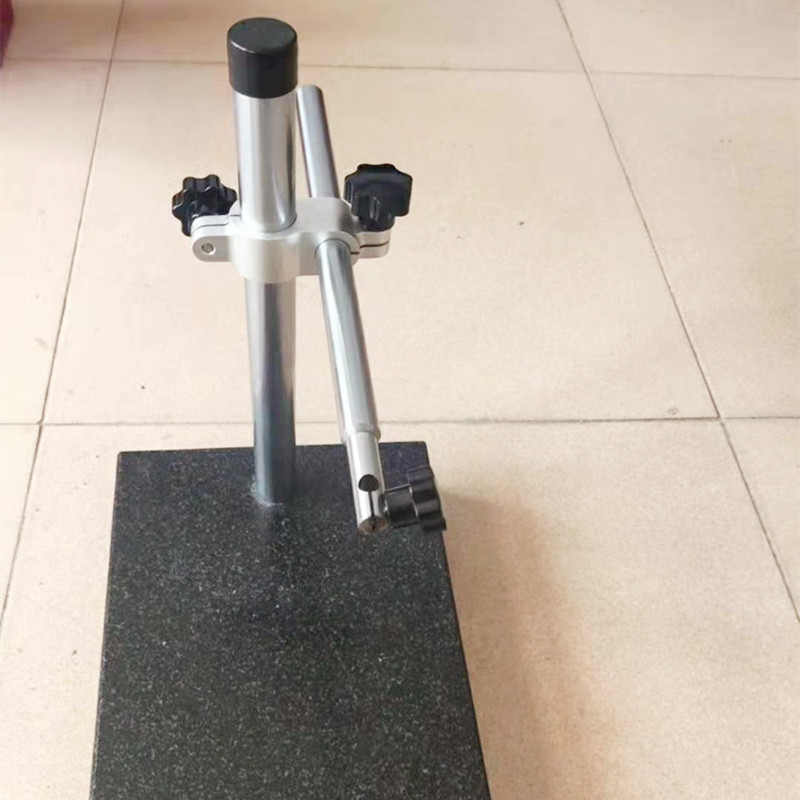
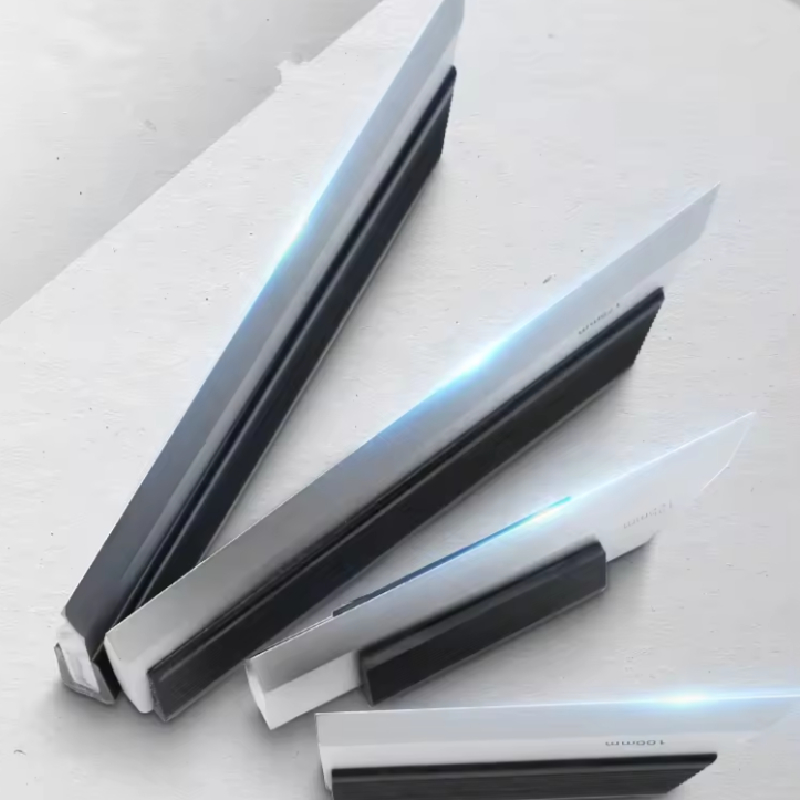

news and information
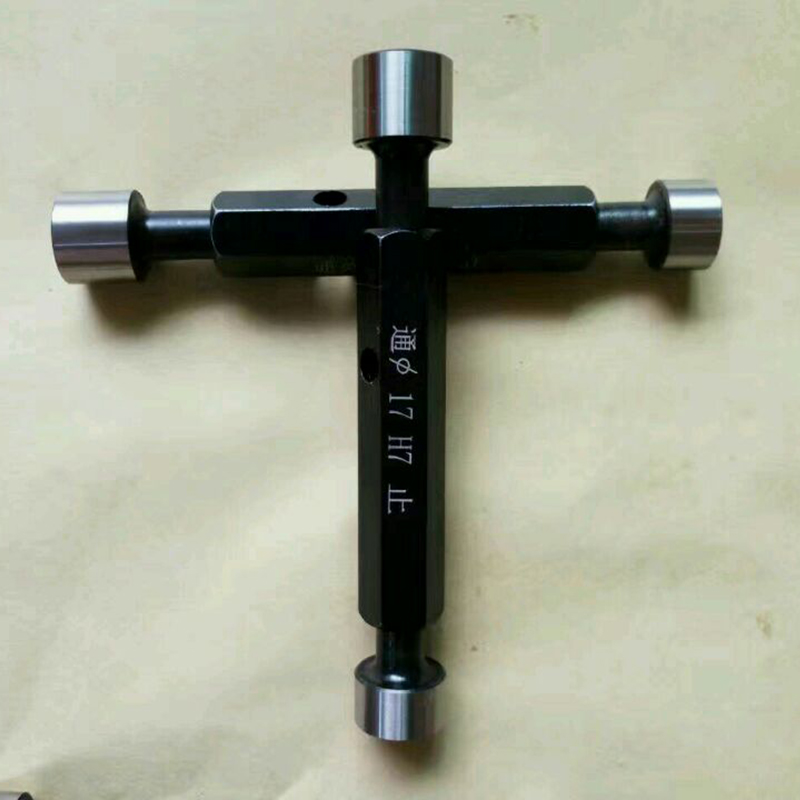
water valve main
Understanding Water Valve Main Key Components and Importance Water valves are critical components in

Vòng vít đo
Đồ đo độ dày của vòng và vít Công cụ thiết yếu trong ngành công nghiệp Trong ngành công nghiệp hiện
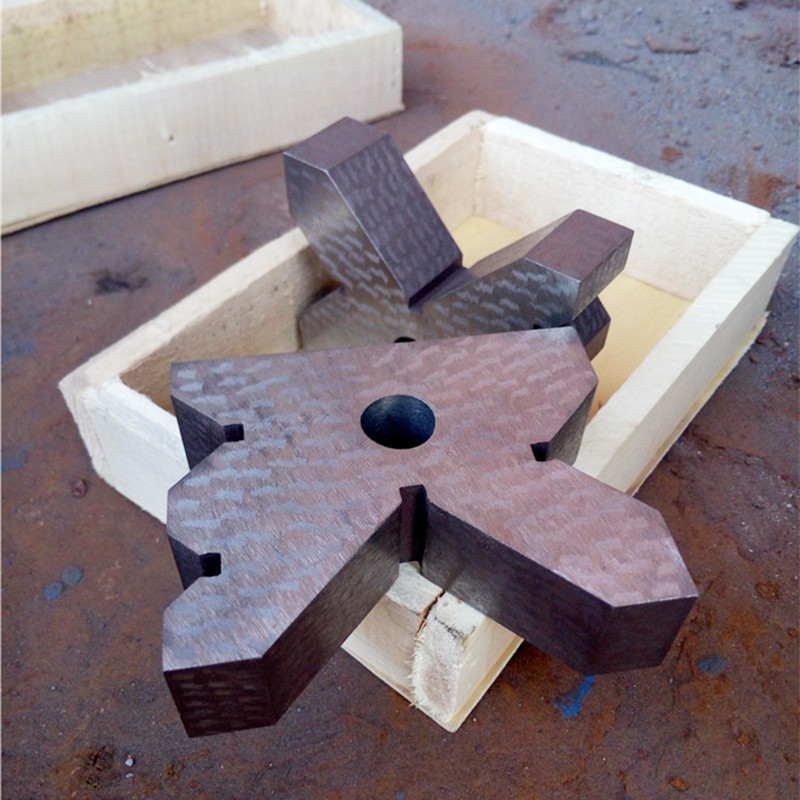
Water Supply Control Mechanism for Efficient Valve Shutdown and Management
Understanding Water Valve Shut Off Systems In our daily lives, water is an essential resource, servi
 English